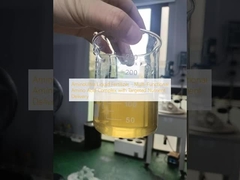
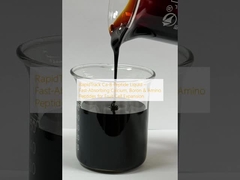
AminoCal-B سائل الكالسيوم والبورون المتقدم مع ناقلات الأحماض الأمينية لتحسين توسيع الفاكهة واستيعاب المواد الغذائية

سماد سائل من الأحماض الأمينية
June 17, 2025
قصيرة: Discover AminoCal-B, the advanced calcium-boron liquid with amino acid transporters designed for enhanced fruit enlargement and nutrient uptake. This bioavailable formula ensures rapid absorption, reduces fruit cracking, and boosts brix levels for bigger, sweeter, and longer-lasting fruits.
خصائص المنتج ذات الصلة:
  • Combines bioavailable calcium (11.61% CaO) and boron (0.54% B₂O₃) for optimal nutrient mobility.
  • Contains 12.76% free amino acids for enhanced phloem transport and stomatal absorption.
  • Reduces fruit cracking by 22% and increases brix levels by 3-5° for sweeter fruits.
  • Engineered for rapid foliar and root absorption, ensuring 30% faster calcium mobilization.
  • Strengthens cell walls and optimizes sugar translocation during fruit expansion.
  • Ideal for late-stage fruit development, enhancing firmness and extending shelf life.
  • Compatible with potassium humate and seaweed extracts for versatile application.
  • Available in 1L bottles, 20L jerrycans, and 1000L IBC totes for various farming needs.
الأسئلة الشائعة:
  • What makes AminoCal-B different from conventional calcium-boron formulas?
    AminoCal-B uses amino acid transporters to form low-molecular-weight chelates, enabling 30% faster calcium mobilization and systemic nutrient transport to fruits and meristems.
  • When is the best time to apply AminoCal-B for maximum efficacy?
    Apply during cool hours (dawn or dusk) to extend leaf wetness and ensure optimal absorption. Follow recommended dosages based on growth stages for best results.
  • Can AminoCal-B be used for greenhouse crops?
    Yes, but reduce the dosage by 20% for greenhouse crops to prevent over-application and ensure balanced nutrient uptake.
  • How does AminoCal-B help in reducing fruit cracking?
    AminoCal-B strengthens cell walls and optimizes calcium distribution, reducing fruit cracking by 22% as validated in stone fruit trials.